
Let me tell you what the product listing did not say. It did not say that your first few nights would feel strange. It did not say that your jaw might be slightly sore on morning two because you tensed up trying to find a comfortable position. And it certainly did not mention that the adjustment period is the reason so many people box these pillows back up and return them before they ever get to the part where it actually helps. I am Margie. I am recently retired, I paint watercolors, I used to run a small catering kitchen, and I have lived near the water most of my adult life. I have had a stiff neck most mornings for longer than I care to admit. I tried the Cozyplayer adjustable cervical cooling pillow because I was tired of waking up feeling like I had slept on a pile of coats. This is not the five-star glowing version of that story. This is the honest one.
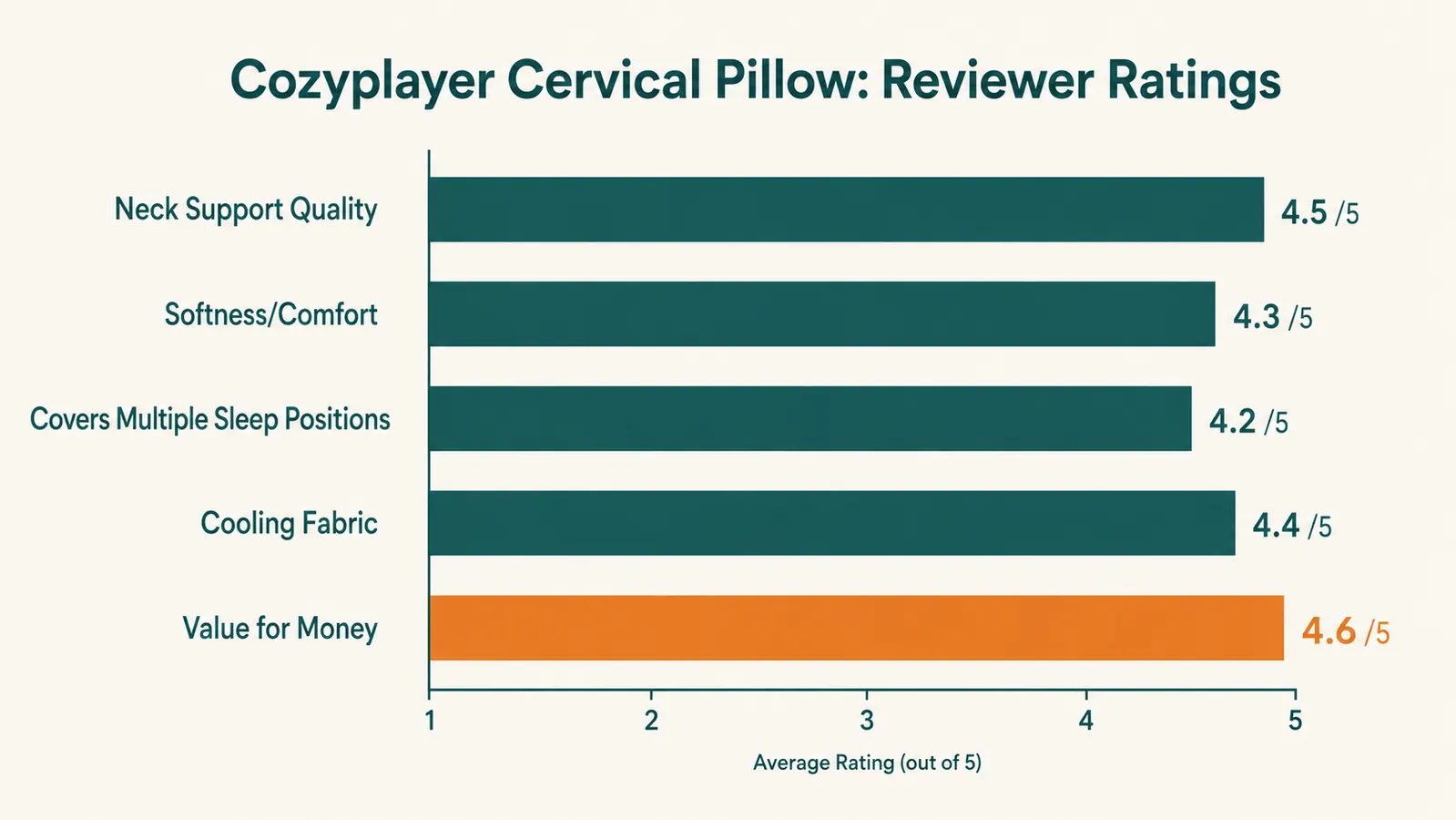
The Cozyplayer cervical pillow has over 16,000 reviews on Amazon and a 4.3-star average as of the time I am writing this. That number is real and it is earned, but what it hides is the shape of how people actually get there. You do not unbox this pillow and feel immediate bliss. For most people, including me, you unbox it, sleep on it for a few nights feeling vaguely wrong, and then either quit or push through to the other side. I pushed through. Here is what I found.
The Quick Verdict
A genuinely effective cervical support pillow for side and back sleepers willing to give it 10 to 14 nights. The break-in period is real, the fill adjustment is fiddly the first time, and it is not right for every sleeper. For those it suits, the payoff is significant.
Amazon Check Today's Price →Still stiff every morning? Here is the pillow that finally changed that for me, after I figured out how to set it up right.
The Cozyplayer adjustable cervical pillow is one of the only options at this price point that lets you fine-tune the fill height. It ships with extra inserts so you can add or remove fill until the fit is actually yours.
Amazon Check Today's Price on Amazon →What the Box Looks Like and What Immediately Confused Me
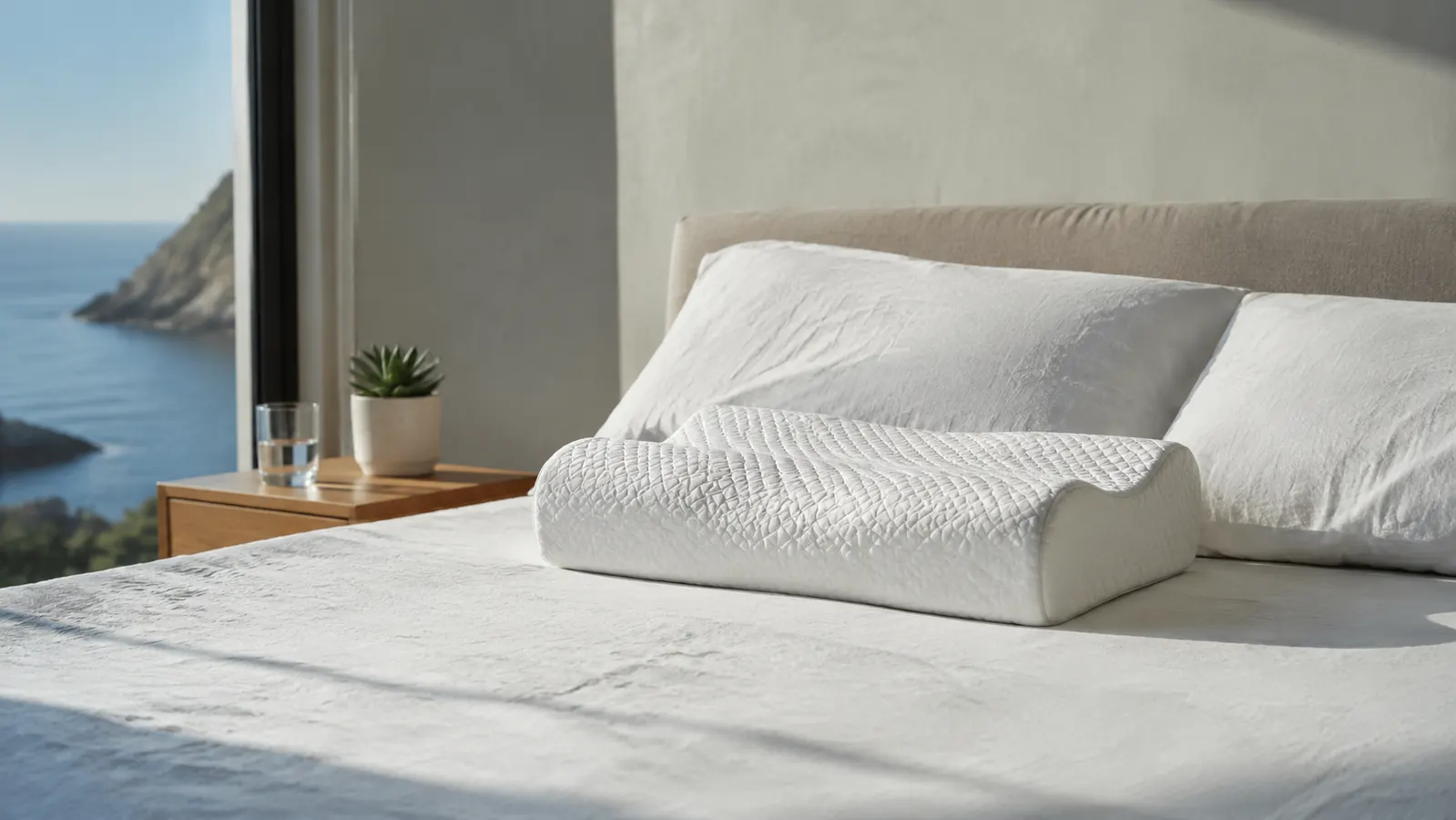
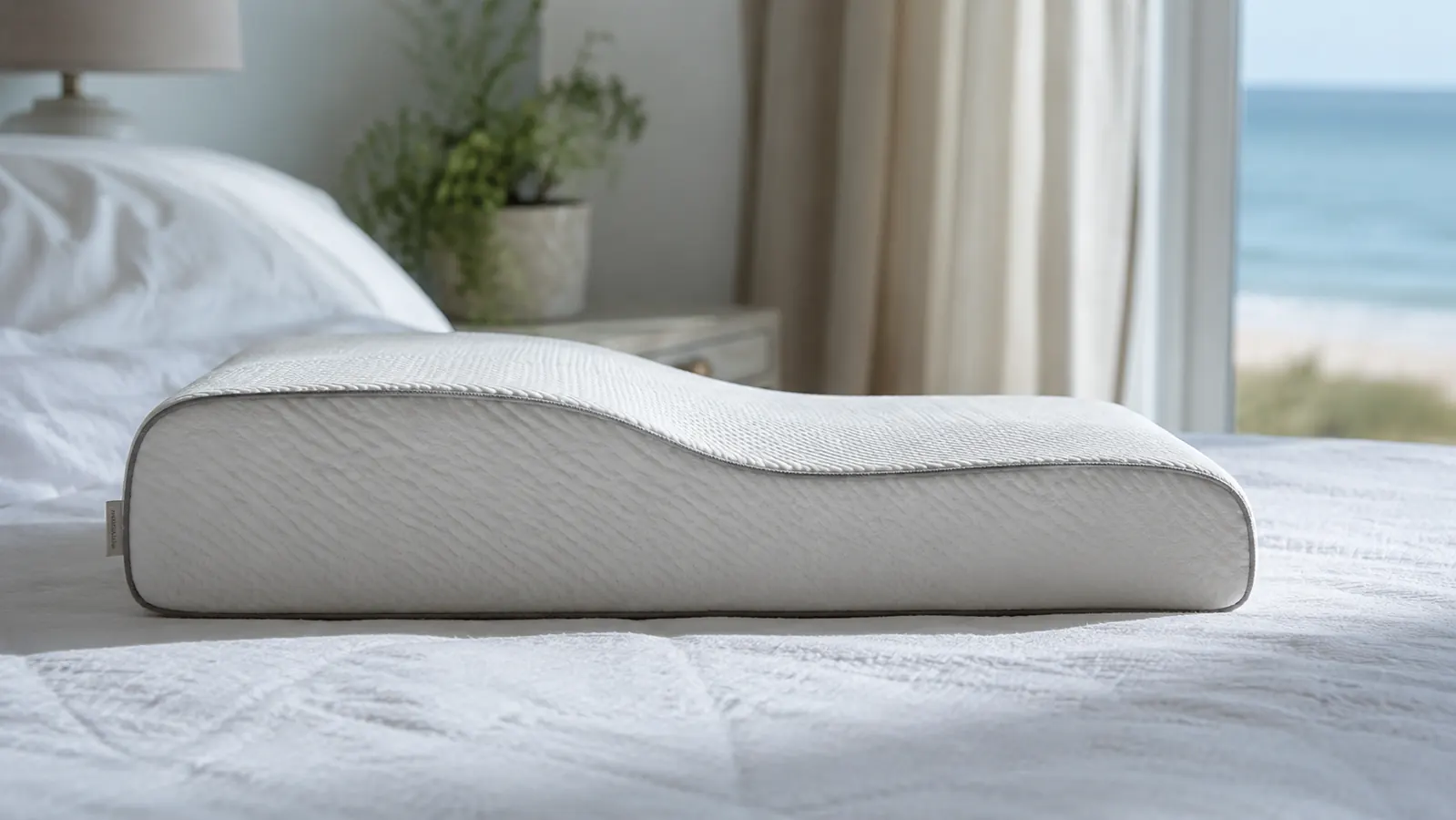
The Cozyplayer pillow arrived in a rolled compression bag, which is standard for memory foam. It takes a few hours to fully expand, so unboxing it the morning before your first night makes sense rather than opening it at bedtime. The cover is a soft knit with a cooling treatment, and I will say it feels pleasant to the touch. The pillow has a contoured shape with two raised ridges on each side and a lower center valley. The ridges are for side sleeping, and the valley is for back sleeping. That much is easy to understand.
What confused me was the fill. The pillow is adjustable, meaning it has an inner zipper and removable fill inserts made of shredded memory foam. The idea is that you add or remove fill to change the loft height until it matches your frame. The instructions suggest doing this before your first sleep. The problem is that without any reference point, you have no idea where to start. I pulled out one insert, decided it felt roughly right, and went to bed. That was not enough adjustment. My neck was propped slightly too high, and I woke up with tension across the top of my shoulders. Night two I removed another small handful of fill, which helped but still felt a bit stiff. By night four I had found a level that felt neutral rather than forced, and that is when things began to turn.
The Break-In Period Is the Part Nobody Tells You About
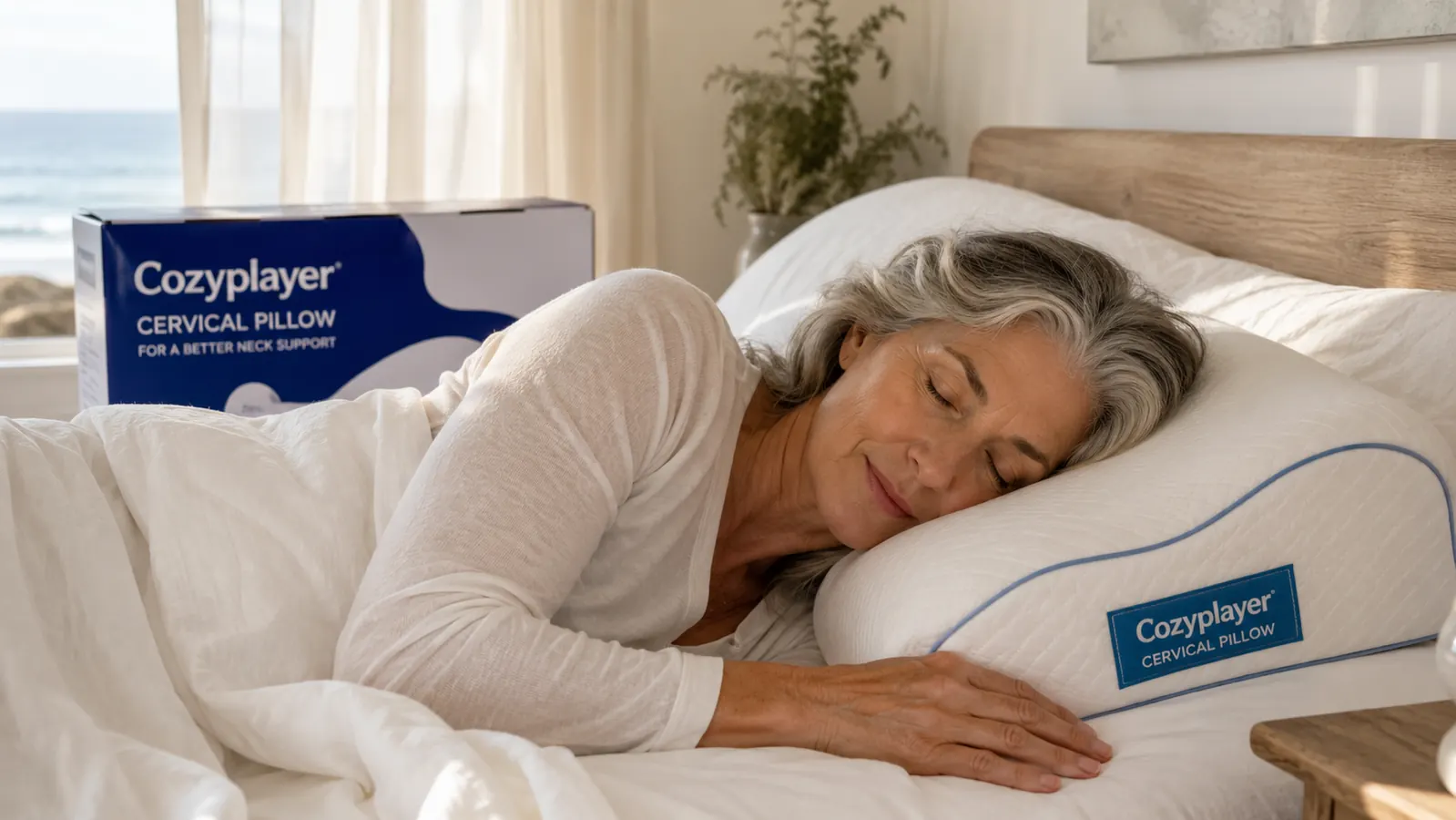
I want to spend real time on this because it is the reason I almost returned the pillow. Nights one through four on a cervical contour pillow feel wrong if you have been sleeping on a soft traditional pillow for decades. Your neck muscles have adapted to whatever shape your old pillow kept you in, even if that shape was not healthy. Switching to a pillow that holds your spine in a more neutral alignment is a bit like correcting your posture at a desk. It feels unnatural at first because your body has memorized the wrong position.
I tracked my mornings loosely on a notepad kept on my nightstand. Nights one and two I rated my neck stiffness at seven or eight out of ten, which was roughly the same as before but with a new flavor of discomfort. Night three I had a genuinely rough morning, stiffer than usual across the upper back, and I very nearly packed it up. Night four was neutral. Night five, something shifted. I woke up and my first movement to get up did not come with that familiar brace. I would rate my stiffness that morning at a four. By night ten I was waking up at a two most days. The improvement was real, but it required staying the course through a period that felt like a step backward.
Night three was the worst. I almost boxed it up. I am glad I did not, because night five was the first morning I got out of bed without bracing myself.
The Fill Adjustment: Fiddly but Worth Doing Twice
The adjustable fill is the pillow's most useful feature and its most frustrating one. Getting the loft right for your body takes two or three nights of trial and error because there is no objective guide for how much to remove. The instructions include a rough sizing chart based on shoulder width, which is a useful starting point. I have narrow shoulders for my height and the chart suggested removing a moderate amount of fill, which turned out to be roughly right.
The zipper is on the underside and works fine, but the inner fabric bag holding the fill is slightly awkward to reach into when you are standing at the edge of a bed in dim evening light. I ended up doing my final adjustment in the morning when I could see clearly what I was doing. After that second adjustment I have not needed to open the zipper again. Once it is set for your body, it stays set. If you live with a partner who is a different build and you share a pillow, that would present a problem, but this pillow is intended to be personal, not shared.
The Cooling Cover: Useful for Some, Irrelevant for Others
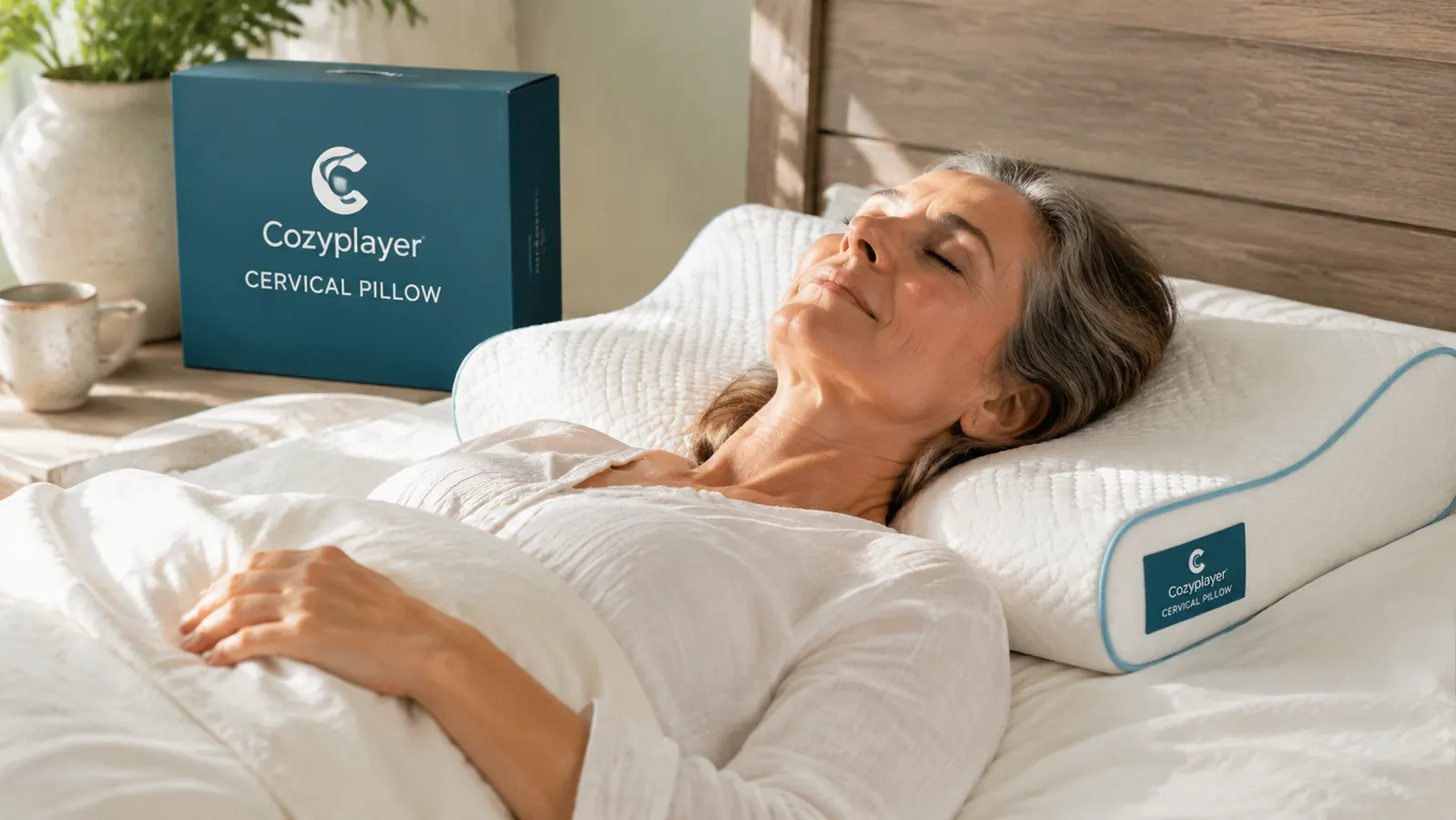
The pillow's name includes the word cooling, and the cover does have a noticeably cooler surface touch than a standard cotton pillowcase. On warm nights, sleeping directly on the pillow cover feels pleasant. I tend to run a little warm even with the windows open near the water, so this feature mattered to me. The cooling effect is a surface texture treatment, not an active cooling technology. It will not keep you measurably cooler if your bedroom is genuinely hot. It helps at the margins for people who are moderately warm sleepers.
The cover is removable and machine washable, which I confirmed without incident. One note: the cover fits snugly over the foam insert, and putting it back on after washing takes two hands and a bit of patience. It is not a big deal, but it is not as easy as pulling a regular pillowcase on. I wash mine about every three weeks. The foam insert itself I have aired out on the back deck twice. Memory foam should not go in a washing machine.
How It Performs for Side Sleepers vs Back Sleepers
I am primarily a side sleeper who rolls to my back in the early morning hours. The contour shape is designed to serve both positions, which sounds too good to be true but is roughly accurate. When I am on my side, my head rests on the higher outer ridge and my neck stays roughly parallel to the mattress, which is what you want. When I roll to my back, my neck settles into the lower center valley and the curve there provides a gentle lift that keeps my chin from dropping toward my chest.
The transition between positions in the night takes a small adjustment, meaning you need to reposition your head slightly when you roll from one to the other. It is not automatic. For very active sleepers who move constantly without waking, the pillow may not stay correctly positioned through the night. I wake briefly at transitions, which meant I could reposition without much effort. If you are a deep sleeper who rotates constantly and never wakes, this design may not maintain alignment through the night the way it would for someone like me.
What I Liked
- Adjustable fill lets you dial in loft to your actual frame rather than guessing
- The contoured shape genuinely supports both side and back sleeping positions
- Cooling cover provides real surface comfort for warm sleepers
- Washable cover, solid construction, shows no compression after months of use
- At this price point, far more customizable than fixed-loft foam alternatives
- 16,000-plus reviews back up that it works for a wide range of people
Where It Falls Short
- Break-in period of 7 to 14 nights is real and uncomfortable, and is never mentioned on the product page
- Fill adjustment is trial-and-error without a precise guide; takes two to three nights to calibrate
- Not suited to stomach sleepers, the shape works against that position entirely
- Very active sleepers who flip constantly without waking may lose correct positioning mid-night
- Putting the cover back on after washing is awkward the first few times
- Memory foam off-gassing smell is faint but present for the first day or two after unboxing
The Honest Downsides Worth Knowing Before You Order
I want to be direct about the things that would have caused me to make a different plan had I known them upfront. First, the off-gassing smell when you first unbox the pillow is mild but detectable. If you are sensitive to that kind of thing, unbox it a day or two ahead and let it air outside or near an open window. The smell is gone within about 48 hours and does not return.
Second, the pillow is not cheap-feeling but it is also not a luxury product. The cover stitching is solid and the zipper feels reliable, but the outer fabric is not the kind you would find on a high-end European pillow. That is appropriate for the price category. I am not asking it to be something it is not. Third, if you tend to sleep with your arm tucked under your pillow, this design makes that habit harder. The firmer contour shape does not compress the way a soft pillow does when you slide a hand underneath. I had to retrain myself on that one.
Fourth, and this is the one I feel most strongly about: the marketing materials make this product sound like a plug-and-sleep solution. It is not. It is an adjustment tool. The benefit is real, but it requires a commitment to stick with something that does not feel obviously better at first. If you buy it expecting instant comfort, you may well return it before the improvement begins.
Who Should Not Buy This Pillow
Stomach sleepers should skip this entirely. The contoured shape holds your head at a height and angle that works for side and back positions. On your stomach, that same structure tips your head to the side at an uncomfortable angle. There are cervical options designed for stomach sleepers, but this is not one of them.
If you have an acute neck injury or a recent diagnosis requiring specific positional support, check with a physical therapist before using any over-the-counter cervical pillow. General stiffness and chronic morning tightness are different from a structural problem. This pillow is not a medical device and should not be treated as one. And if you are genuinely unwilling to give any new pillow two weeks to settle in, this one will disappoint you. The returns that show up in the one-star reviews almost universally describe someone who used it for two or three nights and decided it was not working. That matches exactly what my experience felt like on night three, before night five changed my mind.
Why It Still Won Me Over
Here is where I land after real months of nightly use. My mornings are genuinely different. I walk my dog along the shore most days, usually early, and for years that walk started with my neck stiff and my shoulders riding up. I would spend the first fifteen minutes of the walk trying to loosen up before I could relax into the day. That pattern is mostly gone. On the occasional morning when I have slept restlessly, I still get some stiffness, but the baseline has shifted. Most days I get up and simply start moving, without the overhead of managing morning neck tension first.
I am a skeptical person by nature. I spent most of my career cooking and painting, two things where your hands and body are the instrument, and I have tried more than a few products that promised ergonomic relief and did not deliver. This one delivered, but not on the timeline the box implies. If you go in knowing that the first week is an adjustment, not a failure, you are in a much better position to get where I got. I would buy it again. I would just set expectations differently.
Who This Is For
This pillow is best suited to adults who are side or back sleepers, who have been waking up with chronic neck stiffness for a while, and who are willing to give it at least ten nights before making a judgment. It is well matched to people in their 40s, 50s, and beyond who are not dealing with an acute injury but who have noticed their body needs better support than a conventional pillow provides. If you want to understand the evidence behind why contour pillows help with neck alignment, the article on 10 reasons a contour pillow helps neck pain breaks that down plainly. And if you are wondering how this stacks up against a regular pillow structurally, this comparison goes into the real differences in support geometry.
Who Should Skip It
Stomach sleepers, people with acute neck injuries who need medical-grade support, and anyone who genuinely cannot commit to a two-week adjustment period. Also, if your stiffness is coming from your mattress rather than your pillow, no cervical pillow will fully fix that. The pillow addresses head and neck positioning, not the underlying surface. If you sink too far into your mattress, your spinal alignment will be off regardless of what you rest your head on.
If your mornings start with a stiff neck, the honest answer is this: the pillow works, but only if you give it the time it needs.
The Cozyplayer adjustable cervical cooling pillow is available on Amazon with free Prime shipping. At the current price, it costs far less than a single physical therapy session, and if you give it two weeks, there is a good chance you will not need as many of those.
Amazon Check Today's Price on Amazon →